“Apparently, one million readers want to understand how AI shapes economy and society from various perspectives. This provides a solid foundation for working together to steer technology toward a desirable human future.”
— Prof. dr. Lynda Hardman, University Utrecht
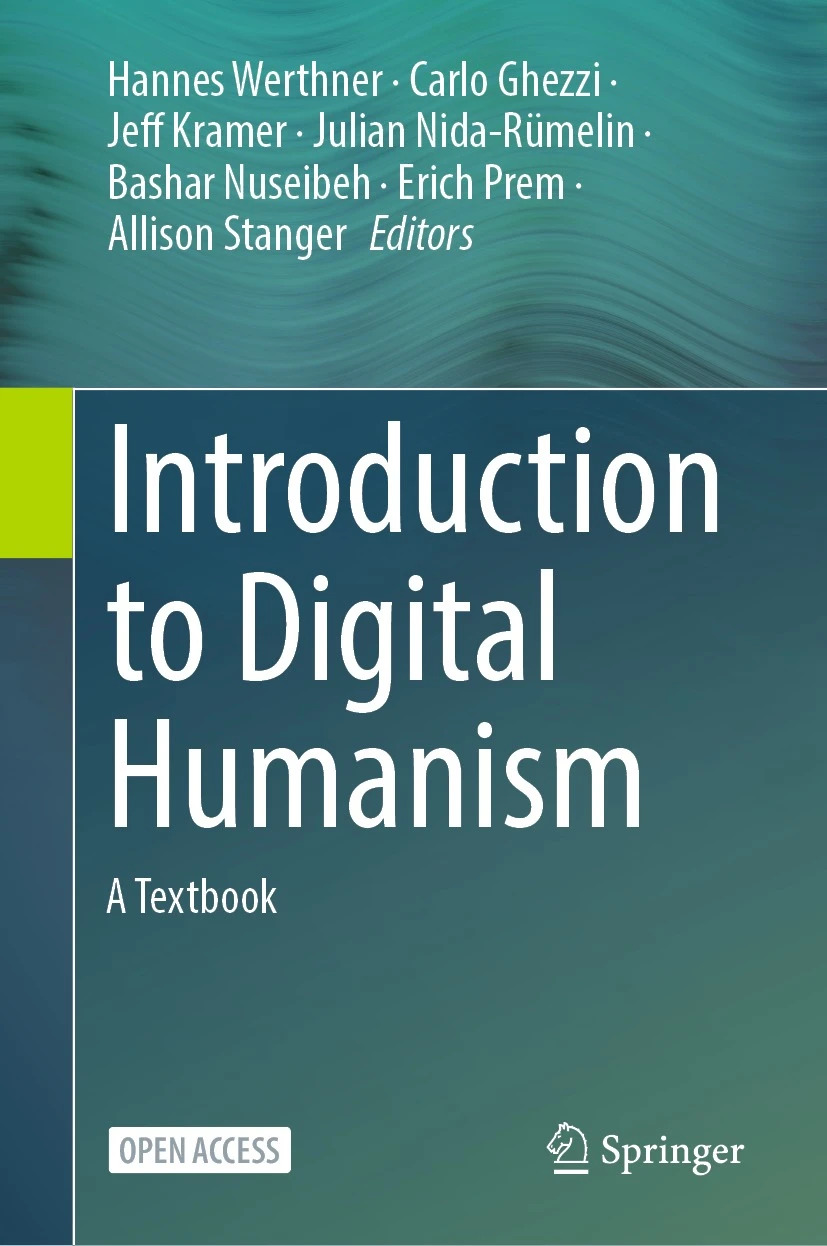
The “Introduction to Digital Humanism” has crossed the mark of one million downloads worldwide, reflecting growing global interest in the societal impact of digital technologies and AI.
Published by Springer Nature and edited by leading scholars and practitioners, the book brings together international authors to explore how digital technologies can be designed and deployed to respect human rights, democratic values, and societal well-being. Since its publication, it has been widely used by researchers, educators, policymakers, and IT professionals around the globe.
Very few titles in Springer Nature’s computer science book portfolio—typically reference works like encyclopedias—achieve a comparable level of success in such a short time. Professor Hannes Werthner, one of the editors and a leading advocate for Digital Humanism, welcomed the milestone: “One million downloads show how intensely people across various disciplines are searching for concepts that shape digital technologies for the good of society. Digital Humanism ensures that technology continues to be grounded in human values.”
“The remarkable interest in Digital Humanism reflects the global debate surrounding the responsible development, deployment, and use of AI technologies.”
— Prof. Bashar Nuseibeh, Co-Editor
With over one million downloads, the “Introduction to Digital Humanism” is a driving force behind the growing international movement advocating for technological progress that strengthens democratic institutions, human autonomy, and societal resilience.
Introduction to Digital Humanism was published in 2024 as an Open Access book by Springer Nature. It presents foundational perspectives on how digital technologies, including AI, can be developed and governed in alignment with human values.